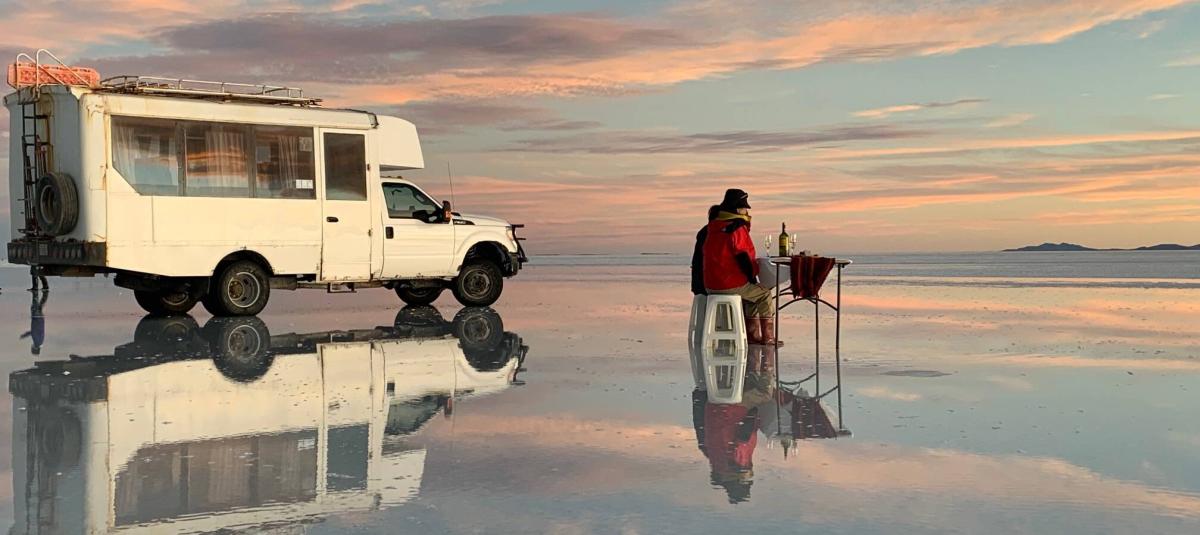
The journey from San Pedro de Atacama, Chile, to Salar de Uyuni, Bolivia, is one of South America’s most spectacular adventures. Combining the driest desert on Earth with the world’s largest salt flat, this route offers breathtaking landscapes, colorful lagoons, active volcanoes, surreal rock formations, and unforgettable wildlife encounters.
Whether you’re an adventure traveler, photographer, backpacker, or simply someone looking for a once-in-a-lifetime experience, crossing from San Pedro de Atacama to Salar de Uyuni should be at the top of your travel bucket list.
In this comprehensive guide, you’ll discover everything you need to know before embarking on this incredible expedition.
Why Visit Salar de Uyuni from San Pedro de Atacama?
Many travelers choose to begin their Uyuni adventure in San Pedro de Atacama because it creates a natural progression through some of South America’s most diverse landscapes.
Instead of simply flying into Uyuni, you’ll experience:
- The Atacama Desert
- Bolivia’s Eduardo Avaroa National Reserve
- High-altitude lagoons
- Flamingo colonies
- Geothermal fields
- Volcanoes
- The famous Uyuni Salt Flats
This route is considered one of the most scenic overland journeys in the world.
Where is Salar de Uyuni?
Salar de Uyuni is located in southwest Bolivia, approximately 300 km from the Chilean border.
It covers more than 10,500 square kilometers (4,050 square miles), making it the largest salt flat on Earth.
The salt flat sits at an altitude of approximately 3,656 meters (11,995 feet) above sea level.
Distance from San Pedro de Atacama
The direct distance is around 320 km (200 miles).
However, due to mountain roads and stops inside Bolivia’s national parks, most tours travel over 450 km during the expedition.
Best Time to Visit
Each season offers completely different experiences.
Rainy Season (December – April)
Pros:
- Incredible mirror effect
- Perfect photography
- Reflection of the sky
- Stunning sunsets
Cons:
- Some routes may close
- Water can prevent reaching Incahuasi Island
Ideal for photographers.
Dry Season (May – November)
Pros:
- Easier transportation
- Giant geometric salt patterns
- Better road conditions
- Cooler weather
- Easier perspective photography
Cons:
- No mirror effect
Ideal for first-time visitors.
How to Get from San Pedro de Atacama to Salar de Uyuni
The most popular option is joining a 3-day or 4-day 4×4 tour.
These tours include:
- Transportation
- Accommodation
- Meals
- Driver
- Guide
- Border assistance
Nearly all travelers choose this option because public transportation is extremely limited in this remote region.
Popular Tour Options
3 Days / 2 Nights
The classic route.
Starts:
San Pedro de Atacama
Ends:
Uyuni
Perfect for travelers continuing through Bolivia.
4 Days / 3 Nights
Includes:
- More stops
- Slower pace
- Additional lagoons
- Better acclimatization
Recommended for photographers.
Round Trip Tours
Some agencies return to San Pedro after visiting Uyuni.
Ideal for travelers flying in and out of Chile.
Border Crossing
You’ll cross the border between Chile and Bolivia early in the morning.
Requirements generally include:
- Passport
- Visa (depending on nationality)
- Entry forms
- Immigration stamp
Always verify Bolivia’s visa requirements before traveling.
Altitude Considerations
One of the biggest challenges is altitude.
San Pedro sits at approximately:
2,400 meters
Many attractions in Bolivia exceed:
4,500 meters
Some locations approach:
5,000 meters
Symptoms of altitude sickness include:
- Headache
- Nausea
- Fatigue
- Shortness of breath
- Dizziness
Tips:
- Drink plenty of water
- Avoid alcohol
- Eat light meals
- Move slowly
- Consider consulting your doctor about altitude medication before your trip.
What You’ll See Along the Way
One of the biggest highlights is that Salar de Uyuni isn’t the only attraction.
The journey itself is extraordinary.
Laguna Blanca
One of Bolivia’s first breathtaking lakes after crossing the border.
Its white mineral-rich waters contrast beautifully against nearby volcanoes.
Laguna Verde
Located beneath the Licancabur Volcano, this emerald-green lagoon changes color depending on wind and sunlight.
It is one of Bolivia’s most photographed destinations.
Salvador Dalí Desert
This surreal landscape resembles a Salvador Dalí painting.
Massive rocks appear randomly scattered across the desert, creating a dreamlike atmosphere.
Sol de Mañana Geysers
At nearly 5,000 meters above sea level, you’ll witness steaming geothermal activity.
Expect:
- Bubbling mud
- Steam vents
- Sulfur smells
- Incredible sunrise scenery
Polques Hot Springs
Many tours stop here for a relaxing soak.
Imagine soaking in warm thermal water surrounded by snow-capped mountains.
Laguna Colorada
Arguably Bolivia’s most famous lagoon.
Its striking red color comes from algae and minerals.
Thousands of flamingos feed here throughout the year.
Flamingos
Several species live in the Bolivian Altiplano.
You’ll likely see:
- Chilean Flamingos
- James’s Flamingos
- Andean Flamingos
They provide fantastic wildlife photography opportunities.
Stone Tree (Árbol de Piedra)
This naturally eroded volcanic rock resembles a giant stone tree standing alone in the desert.
It has become one of Bolivia’s iconic landmarks.
Siloli Desert
An endless landscape of volcanic sand, colorful mountains, and dramatic scenery.
Many travelers describe it as another planet.
Arriving at Salar de Uyuni
After days of incredible landscapes, you’ll finally reach the world’s largest salt flat.
Nothing truly prepares you for its scale.
The endless white horizon creates optical illusions unlike anywhere else on Earth.
Best Photography Tips
The salt flats are famous for perspective photography.
Popular ideas include:
- Holding people in your hand
- Standing inside a shoe
- Dinosaur toys
- Miniature cars
- Giant bottles
- Creative jumps
Bring props for unique photos.
Mirror Effect Photography
During the rainy season, just a few centimeters of water create a perfect reflection.
This produces some of the most famous travel photographs in the world.
Visit during sunrise or sunset for unforgettable images.
Incahuasi Island
Located in the middle of the salt flats, Incahuasi Island rises dramatically above the white landscape.
Highlights include:
- Giant cacti
- Panoramic viewpoints
- Fossil formations
- 360-degree views
Train Cemetery
Near Uyuni town lies the famous Train Cemetery.
Abandoned steam locomotives from the early 20th century have become one of Bolivia’s most photographed attractions.
It’s a fascinating stop for history lovers and photographers alike.
What to Pack
Weather changes dramatically during the trip.
Bring:
- Warm jacket
- Thermal layers
- Hat
- Gloves
- Sunglasses
- Sunscreen
- Lip balm
- Hiking boots
- Reusable water bottle
- Passport
- Cash
- Camera
- Portable charger
- Snacks
Even during summer, nighttime temperatures often drop below freezing.
Internet and Phone Signal
Expect limited connectivity.
Many accommodations offer little or no Wi-Fi.
Cell service is inconsistent throughout the journey.
Consider this the perfect opportunity to disconnect and fully enjoy nature.
Currency
In Bolivia you’ll need Bolivianos (BOB).
Some agencies accept US dollars.
Bring enough cash because ATMs are unavailable during most of the tour.
Food During the Tour
Meals usually include:
Breakfast
- Bread
- Eggs
- Coffee
- Tea
Lunch
- Rice
- Chicken
- Vegetables
- Soup
Dinner
- Pasta
- Meat
- Potatoes
- Salad
Vegetarian meals are available if requested in advance.
Accommodation
Expect simple but comfortable accommodations.
Options range from:
- Basic hostels
- Family guesthouses
- Salt hotels
Some hotels are literally built using blocks of salt.
Facilities become more basic in remote areas.
Safety Tips
Choose a reputable tour company with experienced drivers.
Other recommendations include:
- Wear sunscreen daily
- Stay hydrated
- Keep your passport accessible
- Dress in layers
- Respect wildlife
- Follow guide instructions
- Never wander away from the vehicle
Budget
Average prices vary depending on the season and service level.
Expect approximately:
Budget tours:
US$180–250
Mid-range:
US$250–350
Luxury/private:
US$500+
Prices often include accommodation, meals, transportation, and park fees, but always confirm what is covered before booking.
Is the Journey Worth It?
Absolutely.
Few travel experiences compare to crossing from Chile into Bolivia through one of the most dramatic landscapes on Earth.
Instead of simply visiting Salar de Uyuni, you’ll experience volcanoes, deserts, flamingos, colorful lagoons, geothermal fields, and vast salt plains in a single unforgettable adventure.
For photographers, nature lovers, and adventure seekers alike, the route from San Pedro de Atacama to Salar de Uyuni offers memories that last a lifetime.
Visiting Salar de Uyuni from San Pedro de Atacama is far more than a border crossing—it’s an expedition through some of the planet’s most extraordinary natural wonders. From the emerald waters of Laguna Verde and the crimson hues of Laguna Colorada to the steaming geysers of Sol de Mañana and the endless white expanse of the salt flats, every stage of the journey reveals a new and unforgettable landscape.
Planning ahead, packing appropriately for the high-altitude climate, and choosing a reliable tour operator will ensure you make the most of this remarkable adventure. Whether you’re chasing the famous mirror effect during the rainy season or exploring the geometric salt patterns in the dry months, Salar de Uyuni promises an experience unlike anywhere else in the world.
If you’re looking for one of South America’s most iconic road trips, the journey from San Pedro de Atacama to Salar de Uyuni deserves a place at the top of your travel itinerary.