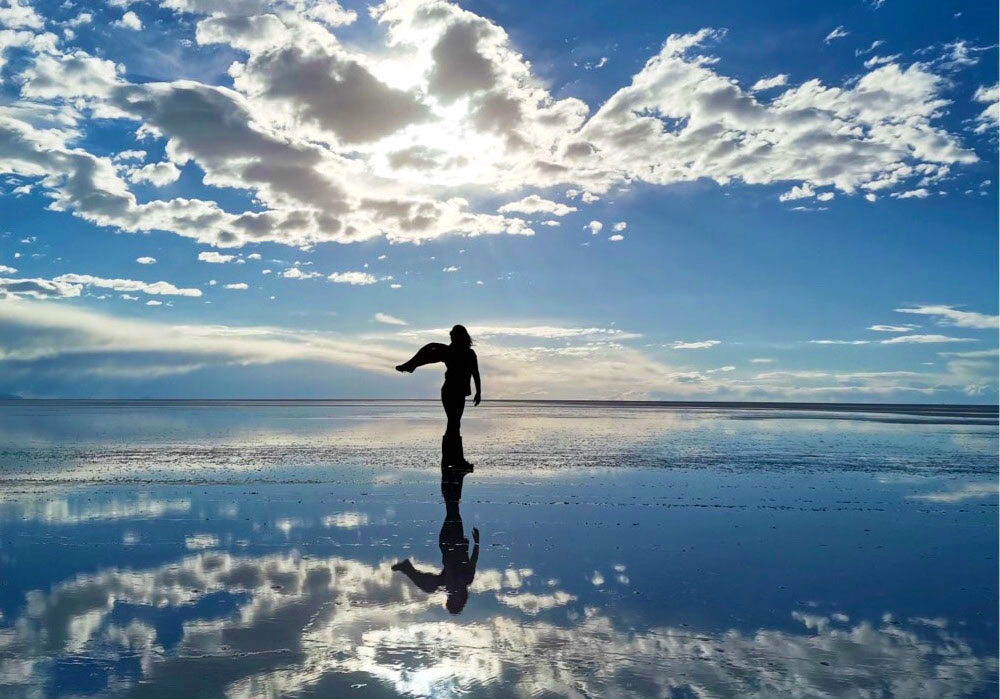
One of the biggest surprises for first-time visitors to Salar de Uyuni is the weather. Although Bolivia’s famous salt flat is often associated with endless sunshine and dazzling white landscapes, temperatures can vary dramatically throughout the year—and even within a single day.
During the afternoon, the sun may feel pleasantly warm, while temperatures after sunset can drop well below freezing. Combined with the region’s high altitude, dry air, and strong winds, the weather can feel much colder than many travelers expect.
If you’re planning a trip to the Uyuni Salt Flats, understanding the climate will help you choose the best time to visit, pack the right clothing, and prepare for changing conditions.
This guide explains how cold Salar de Uyuni gets, what weather to expect each month, and how to stay comfortable during your adventure.
Why Is Salar de Uyuni So Cold?
Several factors contribute to the region’s cold temperatures.
High Altitude
Salar de Uyuni sits at approximately 3,656 meters (11,995 feet) above sea level.
Many nearby attractions visited during multi-day tours reach elevations between 4,300 and 5,000 meters (14,100–16,400 feet).
Higher elevations naturally experience cooler temperatures because the atmosphere becomes thinner.
Desert Climate
Although many people associate deserts with extreme heat, deserts can also become extremely cold.
The Altiplano has:
- Very low humidity
- Clear skies
- Little vegetation
- Thin atmosphere
These conditions allow heat to escape rapidly after sunset, leading to freezing nights.
Strong Solar Radiation
During the day, the intense sunshine can make temperatures feel surprisingly warm.
However, once the sun disappears, temperatures drop quickly.
It’s common to experience:
- Warm afternoons
- Cold evenings
- Freezing mornings
This large temperature variation is one reason layered clothing is essential.
Average Temperatures Throughout the Year
The weather remains relatively cool year-round, but winter nights can become extremely cold.
Typical daytime temperatures range between:
10°C and 20°C (50°F to 68°F)
Nighttime temperatures often fall to:
-10°C to 2°C (14°F to 36°F)
Winter mornings can occasionally be even colder.
Weather by Month
January
Average daytime temperature:
18°C (64°F)
Average nighttime temperature:
4°C (39°F)
January is part of the rainy season.
Expect:
- Warm afternoons
- Afternoon showers
- Mirror effect conditions
- Cloud reflections
- Occasional road changes
Despite being summer, nights remain cool.
February
Average daytime temperature:
18°C (64°F)
Average nighttime temperature:
4°C (39°F)
February usually offers the best chance to experience the famous mirror effect.
Weather characteristics include:
- Standing water
- Excellent photography
- Occasional rainfall
- Mild daytime temperatures
March
Average daytime temperature:
17°C (63°F)
Average nighttime temperature:
2°C (36°F)
Rainfall gradually decreases.
Many travelers enjoy:
- Remaining mirror effect
- Fewer visitors
- Pleasant afternoons
April
Average daytime temperature:
16°C (61°F)
Average nighttime temperature:
0°C (32°F)
April marks the transition toward the dry season.
Road conditions improve while temperatures begin to fall.
May
Average daytime temperature:
15°C (59°F)
Average nighttime temperature:
-3°C (27°F)
The dry season begins.
Expect:
- Sunny skies
- Excellent visibility
- Cold mornings
- Comfortable afternoons
June
Average daytime temperature:
14°C (57°F)
Average nighttime temperature:
-8°C (18°F)
June is one of the coldest months.
Conditions include:
- Very dry weather
- Bright sunshine
- Freezing nights
- Frost during early mornings
Warm clothing is essential.
July
Average daytime temperature:
14°C (57°F)
Average nighttime temperature:
-10°C (14°F)
July is generally the coldest month of the year.
Visitors should prepare for:
- Freezing accommodations
- Ice during the early morning
- Crystal-clear skies
- Outstanding photography conditions
Although afternoons can still feel comfortable in the sunshine, mornings are extremely cold.
August
Average daytime temperature:
15°C (59°F)
Average nighttime temperature:
-8°C (18°F)
The weather remains dry with:
- Clear skies
- Strong sunshine
- Cold nights
- Excellent road conditions
Tourism remains busy during this period.
September
Average daytime temperature:
16°C (61°F)
Average nighttime temperature:
-4°C (25°F)
Spring begins bringing:
- Slightly warmer afternoons
- Stable weather
- Comfortable sightseeing
- Beautiful sunsets
October
Average daytime temperature:
17°C (63°F)
Average nighttime temperature:
-1°C (30°F)
Temperatures continue rising.
October offers:
- Good road access
- Fewer freezing mornings
- Excellent photography
November
Average daytime temperature:
18°C (64°F)
Average nighttime temperature:
2°C (36°F)
The first seasonal rains may begin.
Travelers enjoy:
- Pleasant temperatures
- Smaller crowds
- Transition toward mirror-effect season
December
Average daytime temperature:
18°C (64°F)
Average nighttime temperature:
4°C (39°F)
The rainy season returns.
Conditions often include:
- Afternoon showers
- Increasing water coverage
- Beginning of mirror photography season
- Comfortable daytime weather
Coldest Months to Visit
If you’re traveling during:
- June
- July
- August
Expect the coldest temperatures of the year.
Morning departures for Uyuni tours often begin before sunrise, when temperatures may fall well below freezing.
Proper winter clothing is absolutely necessary.
Warmest Months
The warmest months are generally:
- December
- January
- February
Even then, don’t expect tropical weather.
Warm afternoons are followed by cool evenings and chilly nights.
Does It Snow in Salar de Uyuni?
Snow is uncommon on the salt flats themselves.
However, surrounding mountains and volcanoes frequently receive snowfall during the colder months.
Higher elevations visited during Uyuni tours may occasionally experience snow.
How Wind Affects the Temperature
Wind can make conditions feel significantly colder.
Strong winds are common in the Altiplano, especially during winter.
A windproof outer layer is one of the most valuable items you can pack.
What Should You Wear?
Layering is the key to staying comfortable.
Recommended clothing includes:
Base Layer
- Thermal shirt
- Thermal leggings
Mid Layer
- Fleece jacket
- Sweater
Outer Layer
- Insulated jacket
- Windproof shell
Accessories
- Warm hat
- Gloves
- Neck gaiter
- Thick socks
You can remove layers during sunny afternoons and add them back as temperatures fall.
Footwear
Comfortable waterproof hiking shoes are ideal.
They provide:
- Warmth
- Stability
- Protection from uneven terrain
- Better grip
During the rainy season, waterproof footwear is especially useful.
Sleeping During Cold Nights
Many budget accommodations are located at high elevations.
Although blankets are usually provided, nights can still be very cold during winter.
Some travelers choose to bring:
- Thermal sleepwear
- Sleeping bag liner
- Hand warmers
Luxury tours often provide better-insulated accommodations.
Photography and Cold Weather
Cold temperatures affect electronic devices.
Camera batteries discharge much faster in freezing conditions.
To avoid problems:
- Carry spare batteries
- Keep batteries inside your jacket
- Protect equipment from moisture
- Allow cameras to warm gradually before bringing them indoors
These simple steps can extend battery life significantly.
Weather and the Mirror Effect
The famous mirror effect depends on seasonal rainfall rather than temperature alone.
Typically:
Best mirror conditions
January through early March
Best dry salt patterns
May through November
Each season offers a completely different visual experience.
Frequently Asked Questions
Is Salar de Uyuni always cold?
Temperatures are generally cool throughout the year.
Afternoons can feel warm in direct sunlight, but mornings and nights are often cold.
What is the coldest month?
July is typically the coldest month, with nighttime temperatures frequently dropping to -10°C (14°F) or lower.
Do I need a winter jacket?
Yes.
Regardless of when you visit, a warm insulated jacket is highly recommended.
Can I wear shorts?
Shorts may be comfortable during warm afternoons, but most travelers prefer long pants due to the intense sun, wind, and cooler temperatures.
Should I bring gloves?
Absolutely.
Gloves are especially useful during sunrise tours, early-morning departures, and winter travel.
Packing Checklist for Cold Weather
Before your Uyuni adventure, pack:
- Thermal base layers
- Fleece jacket
- Insulated coat
- Windproof outer layer
- Warm hat
- Gloves
- Thick socks
- Hiking boots
- Sunglasses
- Sunscreen
- Lip balm
- Reusable water bottle
- Camera batteries
- Portable charger
These essentials will keep you comfortable regardless of the season.
The Uyuni Salt Flats experience dramatic temperature changes throughout the year, making preparation just as important as choosing the right tour. While daytime sunshine can feel pleasantly warm, nights and early mornings—especially during the dry winter months—often drop below freezing.
If you’re visiting between June and August, be prepared for the coldest conditions of the year, with freezing temperatures and crisp, clear skies that are ideal for photography. If you’re traveling during the rainy season from December to March, you’ll enjoy milder temperatures and the chance to witness the spectacular mirror effect that has made Salar de Uyuni world-famous.
No matter when you visit, dressing in layers, packing warm accessories, and protecting yourself from the sun and cold will ensure you stay comfortable while exploring one of the most extraordinary landscapes on Earth.