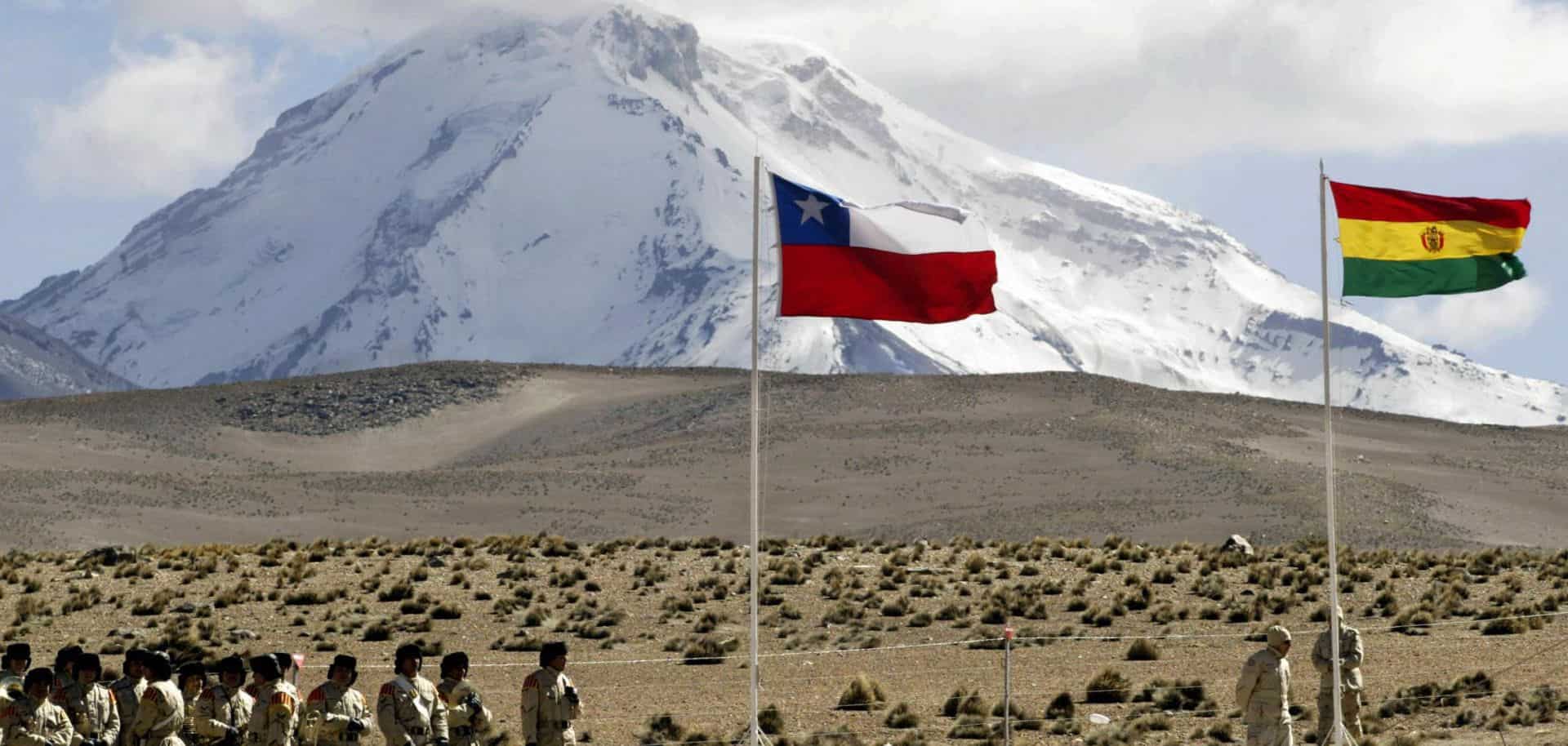
Crossing the border between Chile and Bolivia is one of the most exciting parts of traveling through South America. Whether you’re heading from San Pedro de Atacama to Salar de Uyuni, exploring Bolivia’s spectacular Altiplano, or continuing your backpacking adventure across the Andes, understanding the border crossing process will help ensure a smooth and stress-free journey.
Unlike many international borders, the Chile–Bolivia crossing takes place in a remote, high-altitude region surrounded by volcanoes, deserts, and national parks. While the scenery is unforgettable, the isolated location means travelers should prepare carefully before departing.
This comprehensive guide explains everything you need to know about crossing the Chile–Bolivia border, including documentation, transportation, customs procedures, visa requirements, health considerations, and practical travel tips.
Where Is the Chile–Bolivia Border Crossing?
The most popular border crossing for tourists is located between:
- San Pedro de Atacama, Chile
- Hito Cajón, Bolivia
This crossing serves thousands of travelers every year, especially those joining multi-day tours to Salar de Uyuni.
The Bolivian immigration office sits at an altitude of approximately 4,400 meters (14,435 feet), making it one of the highest international border crossings in the world.
Because of the elevation, many visitors experience the effects of high altitude almost immediately after crossing.
Why Travelers Cross Here
Most international visitors use this border for one of several reasons:
- Visiting Salar de Uyuni
- Joining a 3- or 4-day 4×4 expedition
- Backpacking across South America
- Exploring Bolivia’s Eduardo Avaroa National Reserve
- Traveling between Chile and Bolivia without flying
- Visiting the colorful lagoons and geothermal fields of southwest Bolivia
The route is famous not only for its convenience but also for the spectacular scenery along the way.
Best Time to Cross the Border
The border operates throughout the year, although weather conditions can affect travel.
Dry Season (May–November)
Advantages include:
- Better road conditions
- Easier transportation
- Clear mountain views
- Lower chance of delays
Rainy Season (December–April)
During the wet season you may encounter:
- Flooded roads
- Occasional route closures
- Longer travel times
- More challenging driving conditions
However, this is also the season when Salar de Uyuni produces its famous mirror effect.
Passport Requirements
Every traveler must present a valid passport.
Before your trip, make sure your passport:
- Is valid for at least six months beyond your planned stay
- Has blank pages for immigration stamps
- Is in good physical condition
- Matches the information on your travel bookings
Damaged passports may be refused by immigration officials.
Do You Need a Visa?
Visa requirements depend entirely on your nationality.
Many travelers can enter Bolivia without obtaining a visa in advance, while others must apply before arrival or purchase a visa at the border if eligible.
Before traveling, always verify the latest entry requirements through the official Bolivian consulate or embassy serving your country.
Requirements can change, so never rely solely on travel blogs or outdated information.
Entry Documents
Immigration officers may request:
- Passport
- Completed entry form
- Visa (if required)
- Proof of onward travel (occasionally requested)
- Hotel reservation or tour confirmation
- Proof of sufficient funds (rare but possible)
Having printed copies of important documents can be useful, especially in remote areas with limited internet access.
Customs Procedures
After completing immigration, travelers proceed through customs.
Officials may inspect:
- Luggage
- Electronic devices
- Food products
- Camping equipment
- Professional camera equipment
Most inspections are quick, but honesty is essential when answering customs questions.
Restricted and Prohibited Items
Chile has some of the strictest agricultural regulations in South America.
When leaving Chile, this is generally less of an issue, but travelers entering Chile on the return journey should be especially aware.
Common restricted items include:
- Fresh fruit
- Vegetables
- Seeds
- Plants
- Raw meat
- Dairy products
- Honey
- Certain animal products
Failure to declare restricted items when entering Chile can result in significant fines.
Crossing with a Tour
Most visitors cross the border as part of an organized tour.
This is by far the easiest option.
Tour operators usually handle:
- Transportation
- Border logistics
- Immigration coordination
- Driver changes
- National park entry
- Accommodation
- Meals
After leaving San Pedro de Atacama early in the morning, travelers are driven to the Chilean border post before continuing a short distance to Bolivian immigration.
Once formalities are complete, passengers transfer into a Bolivian 4×4 vehicle that continues the journey toward Salar de Uyuni.
Independent Border Crossing
Travelers can also cross independently, although this requires considerably more planning.
Independent travelers must organize:
- Transportation to the border
- Immigration procedures
- Transportation after entering Bolivia
- Accommodation
- National park access
- Local logistics
Since public transportation is extremely limited, this option is recommended only for experienced travelers.
National Park Entrance Fees
Most travelers entering Bolivia through Hito Cajón immediately continue into Eduardo Avaroa Andean Fauna National Reserve.
An entrance fee is charged separately from immigration.
Payment is usually made in Bolivian currency and is often not included in budget tours.
Carry enough cash before beginning your journey.
Altitude and Health Considerations
One of the biggest challenges of this border crossing is the altitude.
The route quickly climbs above 4,000 meters, and many destinations exceed 4,500 meters.
Common symptoms of altitude sickness include:
- Headache
- Dizziness
- Nausea
- Fatigue
- Difficulty sleeping
- Shortness of breath
To reduce the risk:
- Drink plenty of water
- Avoid excessive alcohol
- Eat light meals
- Move slowly
- Get adequate rest
- Consider speaking with your doctor about preventive medication before your trip
If symptoms become severe, seek medical attention immediately.
Weather Conditions
Mountain weather changes rapidly.
You may experience:
- Intense sunshine
- Strong winds
- Snow
- Freezing mornings
- Warm afternoons
- Sudden temperature drops after sunset
Layered clothing is essential.
What to Pack for the Border Crossing
Bring the following essentials:
- Passport
- Printed travel documents
- Cash
- Warm jacket
- Gloves
- Hat
- Sunglasses
- Sunscreen
- Lip balm
- Water bottle
- Snacks
- Camera
- Portable charger
- Toilet paper
- Personal medications
Remote border facilities may have limited services, so it is best to come prepared.
Currency Exchange
Bolivia uses the Boliviano (BOB).
There are no reliable currency exchange services at the border itself.
Most travelers either:
- Exchange money in San Pedro de Atacama before departure
- Withdraw cash in Uyuni
- Bring US dollars for emergencies
Small denominations are useful for entrance fees and local purchases.
Mobile Phone Coverage
Do not expect reliable phone service immediately after crossing the border.
Coverage is limited throughout much of southwest Bolivia.
Wi-Fi is also scarce during the first days of most Uyuni tours.
Downloading offline maps before your trip is highly recommended.
Road Conditions
Roads between Hito Cajón and Uyuni are largely unpaved.
Travel typically involves:
- Gravel roads
- Salt flats
- Desert tracks
- High mountain passes
The journey can be bumpy, making motion sickness medication helpful for sensitive travelers.
Safety Tips
The Chile–Bolivia border is generally considered safe for tourists, especially those traveling with established tour companies.
For a safer journey:
- Keep your passport secure
- Carry copies of important documents
- Stay with your group
- Follow immigration instructions carefully
- Respect customs regulations
- Drink bottled or purified water
- Dress for extreme weather
- Purchase travel insurance before your trip
Travel insurance that includes high-altitude activities and medical evacuation is strongly recommended.
Frequently Asked Questions
How long does the border crossing take?
Immigration procedures typically take between 30 minutes and 2 hours, depending on the number of travelers and seasonal demand.
Can I cross without joining a tour?
Yes, but transportation is limited and requires careful planning.
Most visitors choose organized tours for convenience and safety.
Is the border open every day?
The border generally operates daily during regular business hours, although severe weather or operational issues can occasionally affect opening times.
Check current conditions before traveling.
Can I use credit cards?
No.
Cash is essential for many expenses in this remote region, including entrance fees and small purchases.
Will I experience altitude sickness?
Not everyone does, but the risk is significant due to the rapid ascent above 4,000 meters.
Proper acclimatization and hydration greatly reduce the likelihood of serious symptoms.
Final Tips Before You Go
Preparation is the key to enjoying one of South America’s most memorable border crossings. Double-check your passport validity, confirm current visa requirements, carry enough cash, and pack clothing suitable for freezing temperatures and intense sunshine. If you’re joining a guided tour, ask exactly what is included so there are no surprises regarding meals, park entrance fees, or accommodation.
Most importantly, allow yourself time to appreciate the incredible scenery. The journey between Chile and Bolivia is far more than an administrative border crossing—it is an unforgettable expedition through volcanic landscapes, colorful lagoons, wildlife-rich reserves, and the breathtaking Altiplano.
Crossing the Chile–Bolivia border at Hito Cajón is one of the highlights of any South American adventure. Although the process requires some preparation due to the remote location and high altitude, it is generally straightforward for travelers who arrive with the proper documents and realistic expectations.
Whether your destination is the dazzling Salar de Uyuni, the Eduardo Avaroa National Reserve, or a broader exploration of Bolivia, a well-planned border crossing sets the stage for an extraordinary journey. With the right preparation, you’ll spend less time worrying about logistics and more time enjoying one of the most spectacular landscapes on Earth.