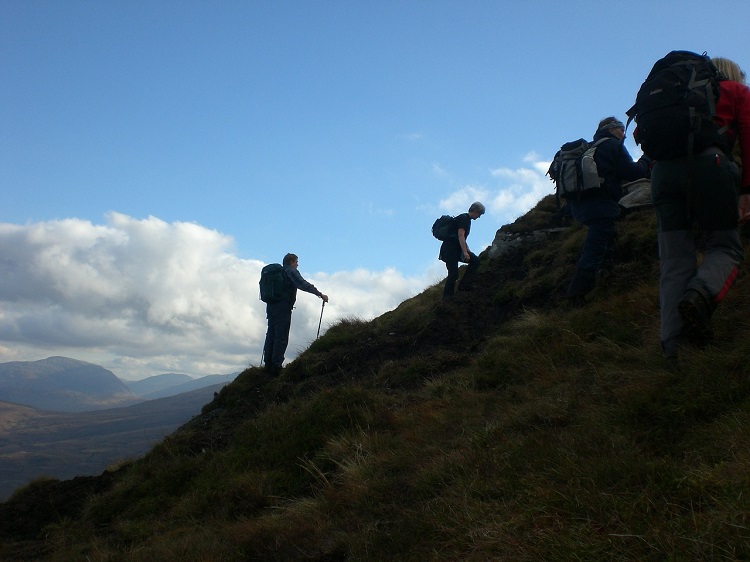
Bolivia is home to some of the highest and most spectacular travel destinations in the world. From the breathtaking Salar de Uyuni and the colorful lagoons of the Altiplano to the bustling streets of La Paz and the stunning peaks of the Andes, many of the country’s top attractions are located well above 3,500 meters (11,500 feet) above sea level.
While the scenery is unforgettable, the high altitude can pose challenges for travelers who are not accustomed to thinner air. One of the most common issues visitors experience is altitude sickness, also known as Acute Mountain Sickness (AMS).
Fortunately, with proper preparation and awareness, most travelers can enjoy Bolivia safely and comfortably. This guide explains what altitude sickness is, why it happens, how to recognize the symptoms, and the best ways to prevent and manage it during your trip.
What Is Altitude Sickness?
Altitude sickness occurs when your body struggles to adjust to lower oxygen levels found at higher elevations.
As you climb higher into the mountains, air pressure decreases, meaning each breath contains less oxygen than at sea level. Your body needs time to adapt to these conditions.
If you ascend too quickly without giving your body enough time to acclimatize, you may develop symptoms of altitude sickness.
Why Is Bolivia Different?
Bolivia is one of the highest countries in the world.
Many of its most popular tourist destinations are located at elevations that can trigger altitude sickness.
Examples include:
| Destination | Elevation |
|---|---|
| Santa Cruz de la Sierra | 416 m (1,365 ft) |
| Sucre | 2,810 m (9,219 ft) |
| Cochabamba | 2,558 m (8,392 ft) |
| La Paz | 3,650 m (11,975 ft) |
| Salar de Uyuni | 3,656 m (11,995 ft) |
| Uyuni Town | 3,670 m (12,041 ft) |
| Lake Titicaca | 3,812 m (12,507 ft) |
| San Pedro de Atacama (Chile) | 2,400 m (7,874 ft) |
| Eduardo Avaroa Reserve | Up to 5,000 m (16,404 ft) |
Many travelers arrive from sea level and suddenly find themselves above 3,500 meters within just a few hours.
Who Can Get Altitude Sickness?
Anyone can develop altitude sickness.
It does not matter if you are:
- Young or old
- Physically fit
- An experienced athlete
- A frequent traveler
Excellent physical fitness does not protect you from altitude sickness.
The main risk factor is how quickly you gain elevation.
Common Symptoms
Most cases of altitude sickness are mild and improve after rest.
Common symptoms include:
- Headache
- Fatigue
- Dizziness
- Nausea
- Loss of appetite
- Difficulty sleeping
- Shortness of breath during activity
- Mild swelling of the hands or face
Symptoms usually begin within six to twenty-four hours after reaching a higher elevation.
Severe Symptoms
Although uncommon, altitude sickness can become serious if ignored.
Seek immediate medical attention if you experience:
- Difficulty breathing while resting
- Confusion
- Difficulty walking
- Persistent vomiting
- Severe chest tightness
- Blue lips or fingernails
- Loss of coordination
- Extreme weakness
These symptoms may indicate life-threatening high-altitude illnesses that require urgent treatment and descent to a lower elevation.
Why Does It Happen?
At high altitude:
- Oxygen levels decrease.
- Your heart works harder.
- Breathing becomes faster.
- Your body gradually produces more red blood cells.
- Acclimatization takes time.
The faster you ascend, the harder it is for your body to adapt.
How to Prevent Altitude Sickness
The best treatment is prevention.
Here are the most effective strategies.
1. Ascend Gradually
Whenever possible, increase your elevation slowly.
Instead of flying directly to the highest destinations, spend a day or two at a moderate altitude before continuing higher.
For example:
- Santa Cruz → Sucre → La Paz
- San Pedro de Atacama → Uyuni
- Cochabamba → La Paz
A gradual ascent gives your body time to adjust.
2. Stay Hydrated
High-altitude air is extremely dry.
Drink water regularly throughout the day.
Aim for clear or light-colored urine as a simple sign that you’re staying hydrated.
Avoid waiting until you feel thirsty.
3. Avoid Excessive Alcohol
Alcohol can:
- Increase dehydration
- Disrupt sleep
- Worsen headaches
- Mask symptoms of altitude sickness
Many doctors recommend avoiding alcohol during your first 24 to 48 hours at high altitude.
4. Eat Light Meals
Large meals may feel uncomfortable while your body adjusts.
Instead, choose foods such as:
- Rice
- Pasta
- Bread
- Potatoes
- Fruit
- Soup
Many travelers find that smaller, frequent meals are easier to tolerate.
5. Take It Easy
During your first day at high altitude:
- Walk slowly.
- Avoid strenuous hikes.
- Don’t run.
- Allow extra time for activities.
Your body needs energy to acclimatize.
6. Sleep Well
Rest is an important part of acclimatization.
Your first night at altitude may not be your best night’s sleep, but avoiding unnecessary physical exertion can help your body recover more effectively.
7. Dress for the Weather
Cold temperatures force your body to work harder.
Wear layers, including:
- Thermal clothing
- Fleece jacket
- Windproof outer layer
- Hat
- Gloves
Remaining warm helps conserve energy.
8. Consider Preventive Medication
Some travelers use prescription medications, such as acetazolamide, to reduce the risk of altitude sickness.
These medications are not appropriate for everyone.
Always consult your healthcare provider before your trip to determine whether preventive medication is suitable for you.
Never self-medicate without professional advice.
Coca Tea and Traditional Remedies
In Bolivia, coca leaves have been used traditionally for centuries.
Many hotels and tour operators offer:
- Coca tea
- Coca candies
- Coca leaves for chewing
Some travelers report that these products help them feel more comfortable at high altitude.
However, scientific evidence on their effectiveness for preventing altitude sickness is limited, and they should not be considered a substitute for proper acclimatization or medical treatment.
Keep in mind that coca products may be illegal to carry into some countries, so consume them before leaving Bolivia.
Altitude During a Uyuni Salt Flats Tour
Many travelers begin their Salar de Uyuni adventure in San Pedro de Atacama, which sits at approximately 2,400 meters.
Within a few hours, many tours climb above 4,500 meters.
Popular stops include:
- Laguna Blanca
- Laguna Verde
- Sol de Mañana Geysers
- Polques Hot Springs
- Laguna Colorada
Some viewpoints approach 5,000 meters (16,400 feet).
This rapid ascent is one reason why mild altitude symptoms are common during Uyuni tours.
Tips for Salar de Uyuni Travelers
If you’re joining a multi-day tour:
- Drink water throughout the journey.
- Avoid overexertion.
- Keep warm during early morning departures.
- Eat regular meals.
- Inform your guide if you begin feeling unwell.
- Follow your guide’s safety advice.
Most reputable tour operators are familiar with altitude-related issues and know how to respond if someone becomes ill.
Should You Worry?
Most visitors experience either no symptoms or only mild discomfort.
Common complaints include:
- Slight headache
- Mild fatigue
- Shortness of breath while climbing stairs
These symptoms often improve within one or two days as your body adapts.
Serious altitude illness is uncommon among travelers who recognize symptoms early and take appropriate precautions.
Travel Insurance
Before traveling to Bolivia, purchase comprehensive travel insurance that includes:
- Emergency medical care
- Hospital treatment
- High-altitude activities (if applicable)
- Emergency transportation or evacuation
Review your policy carefully to understand what activities are covered.
Frequently Asked Questions
Can children get altitude sickness?
Yes.
Children can develop altitude sickness just like adults.
Parents should monitor them closely for symptoms and encourage plenty of fluids and rest.
Can I exercise at high altitude?
Light walking is usually fine.
Avoid strenuous exercise during your first day or two until your body begins to acclimatize.
How long does acclimatization take?
Most travelers begin feeling better after 24 to 48 hours.
Full acclimatization can take several days or longer, depending on the elevation.
Is drinking more water enough to prevent altitude sickness?
No.
Hydration is important, but it does not guarantee prevention.
Gradual ascent, rest, and allowing your body time to adapt are equally important.
Should I cancel my trip if I’m worried?
Not necessarily.
Millions of travelers visit Bolivia every year without serious problems.
With sensible preparation and awareness, most people enjoy their trip without significant health issues.
Essential Packing for High Altitude
Consider bringing:
- Reusable water bottle
- Warm layered clothing
- Sunscreen (SPF 50+)
- Lip balm
- Sunglasses
- Hat
- Gloves
- Personal medications
- Healthy snacks
- Travel insurance documents
Being well prepared helps you focus on enjoying Bolivia’s extraordinary landscapes rather than worrying about preventable problems.
Bolivia’s breathtaking mountains, colorful lagoons, ancient cultures, and world-famous Salar de Uyuni make it one of South America’s most rewarding destinations. While the country’s high elevations present unique challenges, altitude sickness is usually manageable with proper preparation and sensible travel habits.
By ascending gradually whenever possible, staying hydrated, eating light meals, dressing appropriately, and recognizing the early signs of altitude sickness, you can significantly reduce your risk and enjoy your journey with confidence.
The key is to listen to your body. If you experience mild symptoms, slow down and rest. If symptoms become severe or worsen, seek medical attention immediately and descend to a lower altitude as soon as it is safe to do so. With the right precautions, you’ll be well prepared to experience Bolivia’s incredible natural beauty safely and comfortably.